Set a check-in you can meet
Being nearby lets you recheck the crop state, but it is not proof of protection. Test the action on the target crop before relying on it while away.
 Grow a Garden 2 Game Wiki
 Garden safety
Protect the crop whose loss would break the next route first. If no confirmed defense action is ready, compare the live sell quote and cash out exposed value before leaving.
Updated October 9, 2026
Protect the asset that can break the route
Protect the asset whose loss would break the next route. If no confirmed defense action is ready, compare the live sell quote and cash out the exposed value before leaving.
Rank assets by replacement cost, live value, mutation, and away time so limited protection goes to the right crop first.

Protect the asset that can break the route
Rank assets by replacement cost, live value, mutation, and away time so limited protection goes to the right crop first.
A gear or pet name does not prove active protection. Check the exact effect and activation before assigning it to a crop.
Rank by the route you would need to rebuild. Do not treat an untested item as coverage.
Compare a live cash-outBeing nearby lets you recheck the crop state, but it is not proof of protection. Test the action on the target crop before relying on it while away.
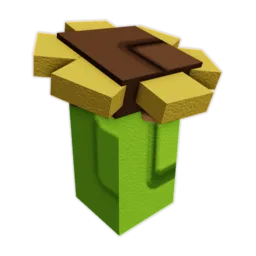
Venus Fly Trap is reported to bite players who get close, and may also affect its owner. Test the current behavior before relying on it as your only protection.
Use Calculator before selling, then leave lower-cost crops planted instead of exposing the full session value.
Choose the crop's route impact, the defense action's tested/active state, and your next check-in. A route-breaking crop with no confirmed action gets a stay-and-test or live-quote fallback; an owned item alone is not counted as coverage.
Sell the highest-risk harvest after a calculator check, keep lower-cost crops planted, and rebuild defense before the next expensive seed.
Protection priority comes from acquisition cost, current sell quote, visible mutation, and how long the player will be away. Rarity alone cannot tell you which crop matters most.
The planner separates real defense effects from guesses. Choose the first asset, the first tool or pet, and the fallback sell decision before stepping away.
Limited protection should cover the crop that would take the longest to replace, not necessarily the crop with the highest rarity. Compare replacement cost, live value, and away time before assigning the first defense action.
A gear name, pet name, or planted defense item is not the same as an active effect. Treat the protection plan as ready only after the current game shows the item equipped, placed, or triggered as expected.
Protection priority matrix
When everything cannot be protected, use the row that weighs route impact and confirmed defense rather than rarity alone.
Acquisition cost and current quote.
Protect it first.
Spreading attention across low-impact crops.
Available gear/pet effect.
Sell the highest-risk value before leaving.
Open routeAssuming an item works because its name sounds protective.
Effect is visible and current.
Equip or activate, then keep a cash-out fallback.
Open routeLeaving without checking activation state.
Priority examples
The examples show when to protect a rare crop, sell it, or leave a lower-impact asset exposed.
Keep the route intact and record the next check.
The realized value is safer than an unsupported hold.
Defense priority planner checklist
Order actions before the garden becomes unattended.
Only confirmed gear or pet effects should be treated as protection. If an effect is uncertain, label the asset needs-check or cash out.
Defend rare seeds, mutated crops, high-value harvests, and any route that would be expensive to rebuild.
Only rely on an item or pet after confirming its current protection effect. Otherwise use active defense or sell the route-breaking crop.
Stealing creates the risk; defense is the planning step that protects your most valuable crops before that risk matters.